

Joint Pain & Mobility Issues in English Springer Spaniels: A Complete Owner's Guide
As an English Springer Spaniel owner, you cherish those playful moments when your furry friend races through the yard, tail wagging with joy. However, if you notice your dog slowing down, hesitating to jump or climb stairs, or showing signs of discomfort, it could indicate joint pain or mobility issues. This condition is unfortunately common in the breed due to genetic predispositions and their active lifestyle. Understanding how to recognize and address joint pain is essential for maintaining the agility and happiness of your beloved companion.


Joint Pain & Mobility Issues in English Mastiffs: A Complete Owner's Guide
As a proud owner of an English Mastiff, you know that your gentle giant is prone to certain health issues, including joint pain and mobility problems. It's not uncommon for these lovable behemoths to experience discomfort in their hips and elbows, which can significantly impact their quality of life. Understanding the signs and causes of joint pain in your Mastiff is crucial to ensuring they live a comfortable, happy life. With their larger size, these magnificent dogs often face joint challenges earlier than smaller breeds, making it essential for owners to be proactive in monitoring their health.


Signs of Joint Pain & Mobility Issues in Dachshunds: What Every Owner Should Know
As a Dachshund owner, you may have noticed your beloved companion becoming less sprightly in their movements. Joint pain and mobility issues are not just common in older dogs; they can affect Dachshunds at any age due to their unique build. With their elongated spine and short legs, these little pups are particularly susceptible to conditions like intervertebral disc disease (IVDD), which can lead to severe pain and even paralysis. Understanding the signs of joint pain and mobility issues is crucial for early intervention and ensuring your Dachshund enjoys a happy, active life.


Joint Pain & Mobility Issues in Cocker Spaniels: A Complete Owner's Guide
As a Cocker Spaniel owner, you may notice your beloved pup becoming less enthusiastic about their favorite activities, like fetching a ball or joining you for a walk. Joint pain and mobility issues are unfortunately common in this breed, and understanding these conditions is crucial to maintaining your dog's quality of life. Cocker Spaniels, with their unique genetic predispositions, can face significant challenges as they age, making it essential for owners to recognize the signs and seek proactive care. In this guide, we’ll explore the causes, symptoms, and treatments of joint pain, empowering you to keep your furry friend healthy and active.


Signs of Joint Pain & Mobility Issues in Chow Chows: What Every Owner Should Know
As a proud Chow Chow owner, you are likely familiar with the unique quirks of this loyal breed. However, joint pain and mobility issues can quietly creep in, affecting your furry friend's quality of life. Given the Chow's predisposition to conditions like hip and elbow dysplasia, it's crucial to recognize the signs early. Understanding how to spot these issues can make a significant difference in your dog's comfort and happiness, ensuring they remain the regal companions you adore.

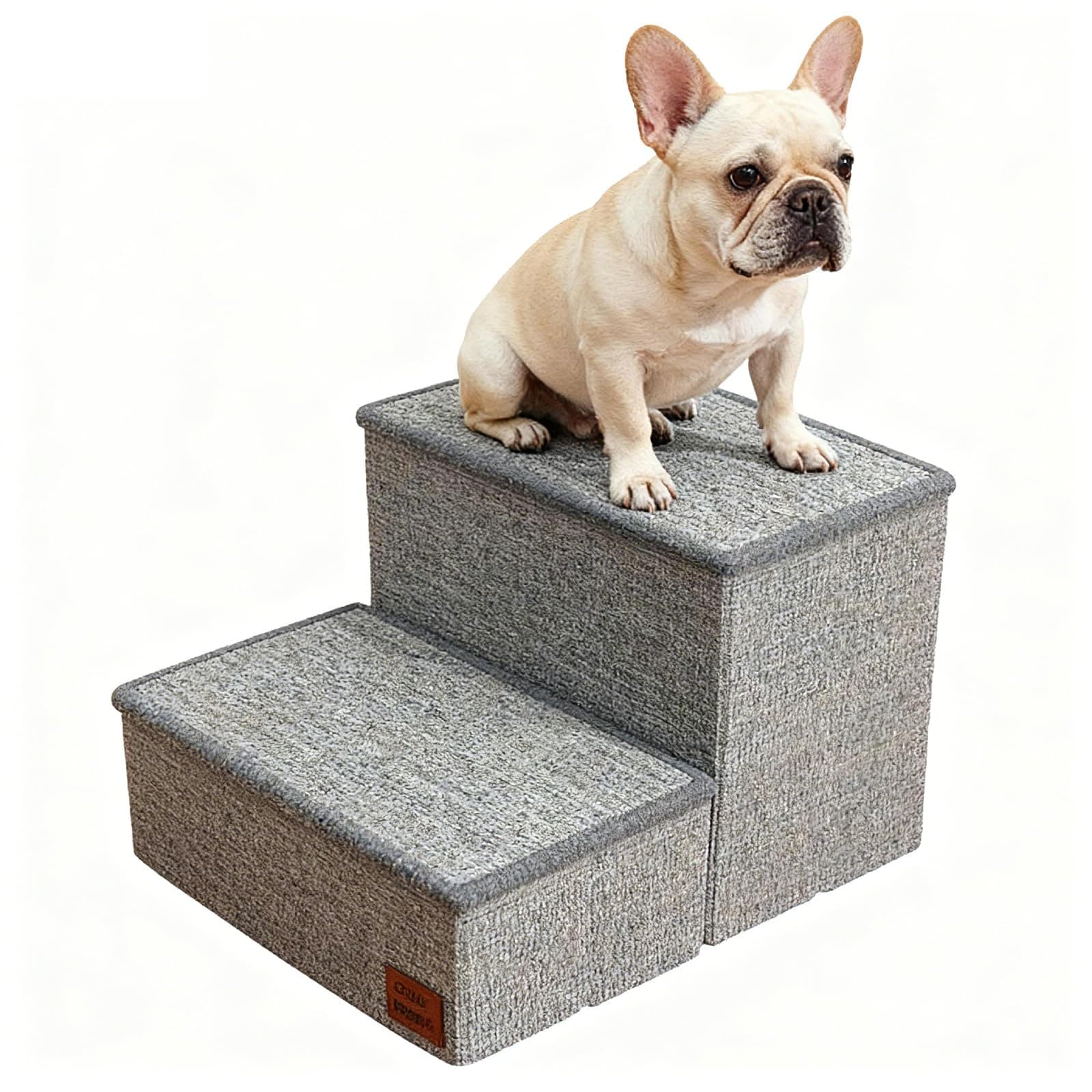
Signs of Joint Pain & Mobility Issues in Chihuahuas: What Every Owner Should Know
As a devoted Chihuahua owner, you might notice your little companion hesitating to jump onto your lap or struggling to keep up during walks. These could be signs of joint pain or mobility issues, common concerns in this spirited breed. Understanding these conditions is crucial for maintaining your Chihuahua’s quality of life. With their delicate bone structure and unique physical traits, Chihuahuas are particularly vulnerable to joint-related problems. This guide will equip you with the knowledge to recognize symptoms, understand the underlying causes, and take action for your beloved pet's well-being.


Signs of Joint Pain & Mobility Issues in Chesapeake Bay Retrievers: What Every Owner Should Know
As a Chesapeake Bay Retriever owner, you’re likely familiar with these dogs’ boundless energy and dedication. However, as they age or face genetic predispositions, joint pain and mobility issues can stealthily creep in, affecting their quality of life. Understanding how to recognize these problems early on is crucial. This breed is particularly vulnerable due to common health concerns like hip and elbow dysplasia. By being informed, you can help your loyal companion remain active and comfortable for years to come.


Joint Pain & Mobility Issues in Cavalier King Charles Spaniels: A Complete Owner's Guide
As a Cavalier King Charles Spaniel owner, you may have noticed your beloved companion moving a bit more slowly or hesitating before jumping onto the couch. Joint pain and mobility issues are common in this breed, and understanding these conditions is crucial for providing the best care. With their charming personalities and gentle demeanor, Cavaliers deserve our attention, especially when it comes to their health. Given their genetic vulnerabilities, knowing how to recognize and manage joint pain can greatly enhance their quality of life.


Signs of Joint Pain & Mobility Issues in Bullmastiffs: What Every Owner Should Know
As a proud Bullmastiff owner, you might find yourself wondering about that occasional limp or slower pace during walks. Joint pain and mobility issues are relatively common in this majestic breed due to their size and genetic predispositions. Understanding these challenges is crucial for maintaining your dog's quality of life. Bullmastiffs are known for their strength and size, but their joints can suffer under the weight they carry. This article aims to equip you with the knowledge necessary to identify and address joint pain and mobility issues in your beloved companion.