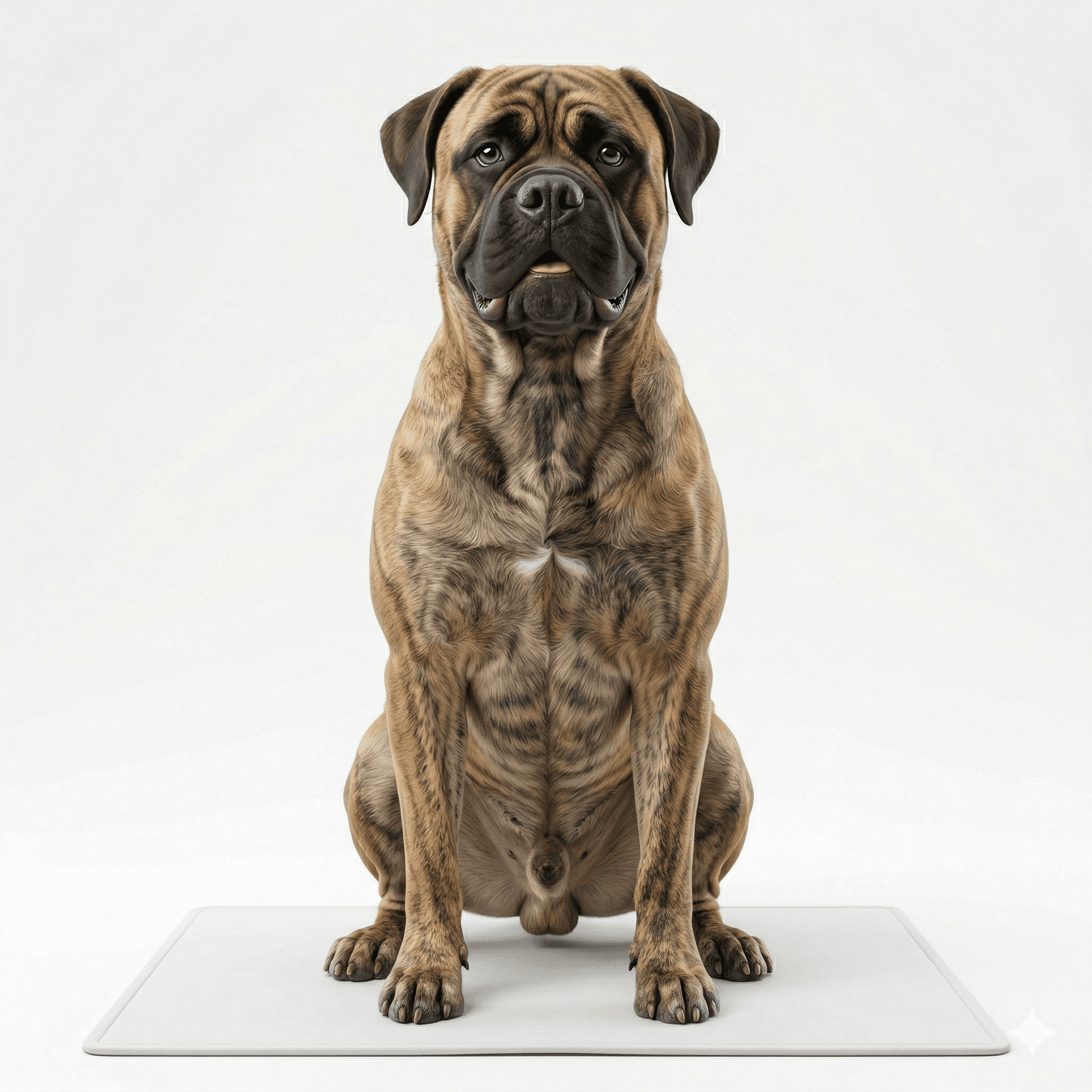
Signs of Joint Pain & Mobility Issues in Bullmastiffs: What Every Owner Should Know
As a proud Bullmastiff owner, you might find yourself wondering about that occasional limp or slower pace during walks. Joint pain and mobility issues are relatively common in this majestic breed due to their size and genetic predispositions. Understanding these challenges is crucial for maintaining your dog's quality of life. Bullmastiffs are known for their strength and size, but their joints can suffer under the weight they carry. This article aims to equip you with the knowledge necessary to identify and address joint pain and mobility issues in your beloved companion.
What is Joint Pain & Mobility Issues?
Joint pain refers to discomfort, inflammation, or soreness in the joints, which can significantly limit a dog's mobility. For Bullmastiffs, this often manifests as difficulty in standing, walking, or climbing stairs. Mobility issues can occur due to various factors, including genetic predispositions, injury, or age-related wear and tear. In large breeds like the Bullmastiff, the pressure on their joints increases, making them particularly susceptible to conditions such as arthritis, hip dysplasia, and elbow dysplasia.
When the cartilage that cushions the joints wears down, it can lead to painful bone-on-bone contact. Inflammation can further exacerbate this pain, leading to decreased activity levels and reluctance to engage in exercise. It’s essential for Bullmastiff owners to recognize that joint pain isn't just a sign of aging; it can start early, particularly in predisposed breeds. Early intervention can make a significant difference in managing pain and improving mobility.
Warning Signs to Watch For in Your Bullmastiff
As a Bullmastiff owner, being vigilant about your dog's behavior and physical condition is crucial. Look for these warning signs of joint pain and mobility issues:
- Limping or Favoring a Leg: If your Bullmastiff is limping or hesitant to put weight on a leg, it may indicate joint discomfort.
- Difficulty Rising or Lying Down: Watch for signs of struggle when your dog gets up from a resting position or lies down, which can signal pain or stiffness.
- Reduced Activity Levels: If your Bullmastiff is less enthusiastic about walks or playtime, it may be due to joint pain.
- Changes in Gait: An altered walking pattern, such as a stiff or unsteady gait, can indicate underlying joint issues.
- Excessive Grooming: Dogs may lick or chew at painful joints as a way to soothe discomfort.
- Behavioral Changes: Increased irritability or signs of depression can also be indicators of pain.
If you notice any of these signs, it’s essential to consult your veterinarian as soon as possible.
Why Bullmastiffs Are Particularly Affected
Bullmastiffs are unfortunately prone to several genetic and environmental factors that make them particularly susceptible to joint pain and mobility issues. One of the critical concerns is their predisposition to hip and elbow dysplasia, conditions where the joints do not fit properly into their sockets, leading to arthritis and chronic pain.
Furthermore, their large size means that they carry significant weight on their joints, which can accelerate wear and tear. Bullmastiffs are also brachycephalic, which means they can struggle with heat sensitivity and exercise intolerance, further complicating their physical health. This combination of size, genetic predisposition, and potential for inactivity can create a perfect storm for joint issues.
Also, their guarding instincts can lead them to be overprotective and less willing to show signs of discomfort, making it crucial for owners to be proactive in monitoring their health. Understanding these breed-specific vulnerabilities can empower owners to take early action in managing their Bullmastiff's joint health.
How Serious Is It? When to See the Vet
Understanding the urgency of joint pain and mobility issues in your Bullmastiff can be challenging. However, certain 'red flags' should prompt immediate veterinary attention:
- Severe Limping or Inability to Bear Weight: If your Bullmastiff cannot use a leg or is exhibiting severe pain, it's crucial to seek care immediately.
- Sudden Changes in Behavior: If your typically active dog becomes lethargic or irritable, it may be a sign of significant discomfort.
- Swelling or Heat Around Joints: Noticeable swelling, heat, or tenderness in the joints can indicate inflammation or injury.
- Persistent Symptoms: If any symptoms last more than a day or worsen, do not hesitate to consult your veterinarian.
Joint pain can severely impact your dog's quality of life, and early diagnosis can lead to more effective treatment options. Remember that timely intervention often leads to better long-term outcomes.
Treatment Options & What Your Vet Might Recommend
If your veterinarian diagnoses joint pain or mobility issues in your Bullmastiff, they will likely discuss a variety of treatment options tailored to your dog's specific needs. Common recommendations may include:
- Medications: Non-steroidal anti-inflammatory drugs (NSAIDs) are often prescribed to manage pain and inflammation. For chronic cases, your vet may recommend disease-modifying osteoarthritis drugs (DMOADs).
- Joint Supplements: Supplements like glucosamine and chondroitin can support joint health and reduce symptoms over time. Some products, like STRELLALAB Hemp Chews for Dogs, contain these ingredients along with omega fatty acids for added benefits.
- Physical Therapy: Just like humans, dogs can benefit from physical rehabilitation, which may include exercises to strengthen surrounding muscles, improve flexibility, and reduce pain.
- Weight Management: Maintaining a healthy weight is critical, as excess weight puts additional stress on joints. Your vet may suggest a specific diet or exercise plan.
- Surgery: In severe cases, surgical options may be considered, such as joint repair or replacement.
Your veterinarian will work with you to determine the best treatment plan to manage your Bullmastiff's joint health.
Preventing Joint Pain & Mobility Issues in Bullmastiffs
While you can't completely eliminate the risk of joint pain in your Bullmastiff, several proactive measures can help reduce the likelihood of developing mobility issues:
- Early Obedience Training: Socialization and training from a young age can help instill good behavior, making it easier to manage your dog’s activity levels safely.
- Regular, Controlled Exercise: Keeping your Bullmastiff active with low-impact exercises such as walking or swimming can strengthen muscles without overloading their joints. Avoid high-impact activities like jumping, especially on hard surfaces.
- Maintain a Healthy Weight: Keeping your dog at a healthy weight reduces the strain on their joints. Monitor their diet and adjust portions as needed.
- Joint Supplements: Incorporating joint health supplements, such as BARK&SPARK Advanced Omega-3 Collagen, can help support joint function and reduce inflammation.
- Provide Comfortable Resting Areas: Ensure your Bullmastiff has a soft, supportive bed to minimize joint strain when resting.
- Regular Vet Check-ups: Routine veterinary visits can help catch any developing issues early, allowing for timely intervention and treatment.
Taking these steps can promote long-term joint health and improve your Bullmastiff's quality of life.
Helpful Products for Joint Health



In Summary
Joint pain and mobility issues can be serious concerns for Bullmastiffs, but with early recognition and proactive management, you can significantly enhance your dog's quality of life. Remember to keep an eye on their behavior and physical condition, and don't hesitate to reach out to your veterinarian if you have any concerns. Together, you can help your cherished companion live a comfortable, active life for years to come.