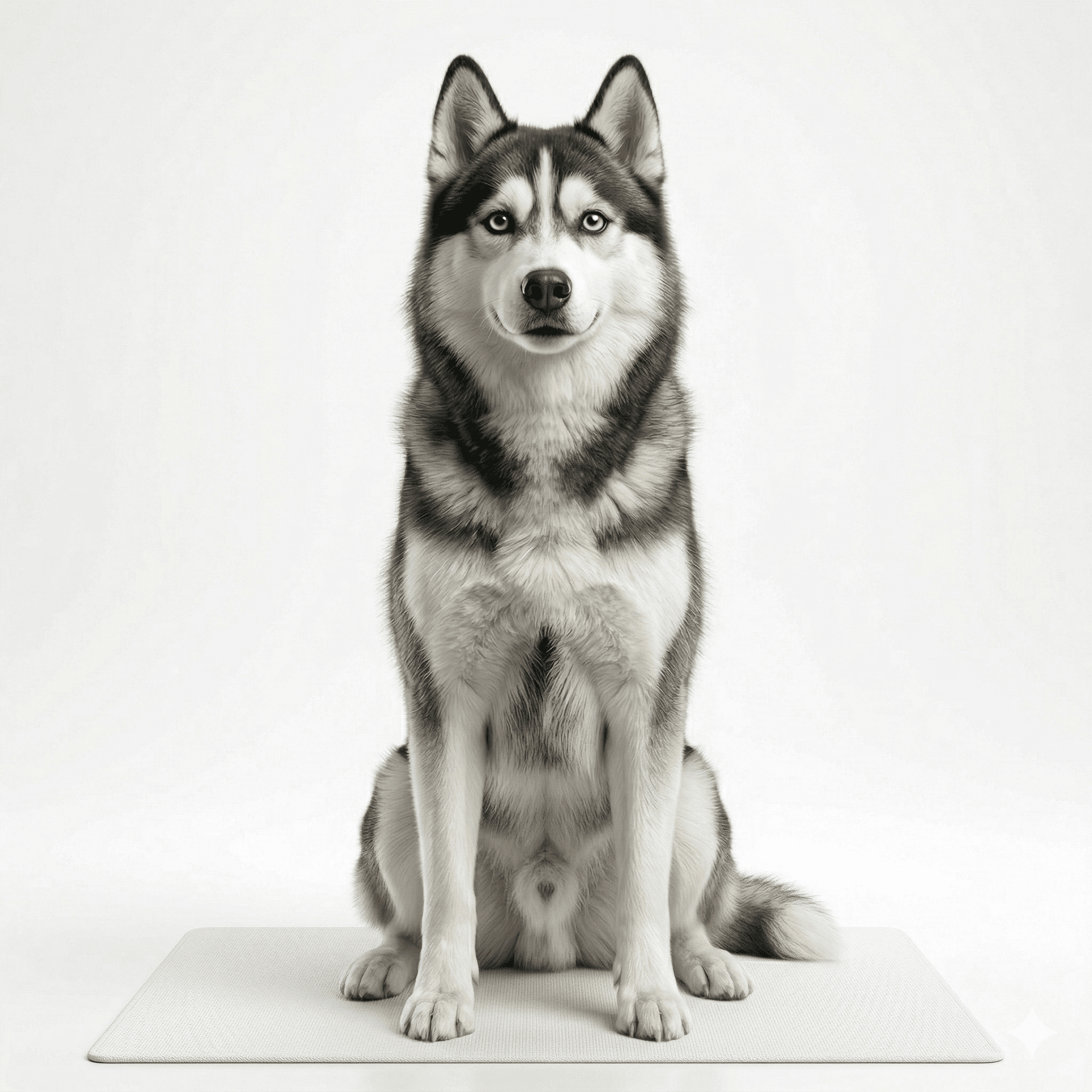
Senior Dog Health in Siberian Huskys: A Complete Owner's Guide
As your beloved Siberian Husky enters their golden years, you may notice changes in their behavior, energy levels, or health. Aging is a natural process, but it can bring about unique challenges, especially for this spirited breed. Siberian Huskys are known for their endurance and playful nature, but as they age, they become more susceptible to specific health conditions. Understanding senior dog health is crucial to ensuring your Husky enjoys a happy, healthy life well into their twilight years. This guide will provide you with vital information to help recognize the signs of aging, understand breed-specific vulnerabilities, and take proactive steps for your senior Husky’s wellbeing.
What is Senior Dog Health?
Senior dog health refers to the unique health challenges and considerations that arise as dogs age. Generally, a dog is considered a senior when they reach about 7 years old, though this can vary by breed. For Siberian Huskys, who can often live into their late teens, understanding senior health is essential. As dogs age, their bodies undergo physiological changes: metabolism slows down, joint health declines, and organ function may diminish. Common age-related conditions include arthritis, kidney disease, and cognitive decline. Additionally, senior dogs may experience changes in their skin and coat, as well as decreased energy levels. Awareness of these changes enables you to monitor your Husky’s health closely, ensuring they receive appropriate care and interventions when necessary.
Warning Signs to Watch For in Your Siberian Husky
Being vigilant about your Husky’s behavior and physical condition is crucial as they age. Common warning signs of senior dog health issues include:
- Changes in Appetite: A sudden increase or decrease in appetite can indicate dental issues, digestive problems, or other health concerns.
- Weight Loss or Gain: Unexplained weight changes may signal metabolic disorders or other health issues requiring a vet’s attention.
- Decreased Activity: If your normally energetic Husky is less active, struggles to get up, or shows reluctance to play or walk, it could be a sign of joint pain or other discomfort.
- Behavioral Changes: Increased anxiety, confusion, or changes in sleeping patterns can indicate cognitive decline or health issues.
- Mobility Issues: Watch for limping, stiffness, or difficulty climbing stairs, which may point to arthritis or hip dysplasia.
- Skin and Coat Changes: Excessive shedding, flakiness, or bald patches could indicate skin allergies or zinc-responsive dermatosis, a condition common in Huskys. Regular check-ups can help catch these signs early.
Why Siberian Huskys Are Particularly Affected
Siberian Huskys are relatively healthy compared to many breeds, yet they are not immune to certain age-related health issues. Here are some breed-specific vulnerabilities:
- Hip Dysplasia: This genetic condition can lead to arthritis and mobility issues if not managed properly. It's important to monitor your Husky for signs of discomfort or difficulty moving.
- Progressive Retinal Atrophy (PRA): This hereditary condition can lead to vision loss in Huskys, making it vital to be aware of changes in your dog’s eyesight as they age.
- Hypothyroidism: A common endocrine disorder in older Huskys, hypothyroidism can lead to weight gain, lethargy, and skin issues.
- Zinc-Responsive Dermatosis: Huskys are among the highest-risk breeds for this condition, which leads to skin irritations and requires careful management through diet and supplements.
- General Aging: Like all dogs, Huskys experience a natural decline in energy and physical ability, which can exacerbate existing conditions. Understanding these vulnerabilities allows you to provide targeted care and maintain your Husky's quality of life.
How Serious Is It? When to See the Vet
Recognizing when to consult a vet is crucial for your senior Husky’s health. While some changes may seem minor, they can indicate serious issues. Consider the following urgency levels:
- Routine Check-ups: Annual or bi-annual veterinary visits are recommended for senior dogs. These visits provide opportunities for early detection of issues.
- Urgent Symptoms: If your Husky exhibits sudden symptoms such as difficulty breathing, severe lethargy, or extreme pain, seek veterinary care immediately.
- Behavioral Changes: If your dog shows signs of confusion, disorientation, or excessive vocalization, it may indicate cognitive dysfunction or other serious concerns.
- Mobility Changes: Difficulty in standing, limping, or reluctance to move can signal joint pain or injury. These symptoms should not be ignored, as they can severely affect your dog's quality of life.
- Skin and Coat Issues: Persistent scratching, hair loss, or skin infections should be addressed promptly to avoid complications. Keeping your vet informed about any changes helps ensure your Husky receives the best care possible.
Treatment Options & What Your Vet Might Recommend
When it comes to managing senior dog health, your vet will tailor treatment options based on your Husky's specific needs. Common recommendations may include:
- Medications: Pain relief for conditions like arthritis may involve anti-inflammatory medications or joint supplements such as glucosamine.
- Dietary Changes: Your vet may recommend a specialized diet to address weight management, skin health, or specific nutritional needs.
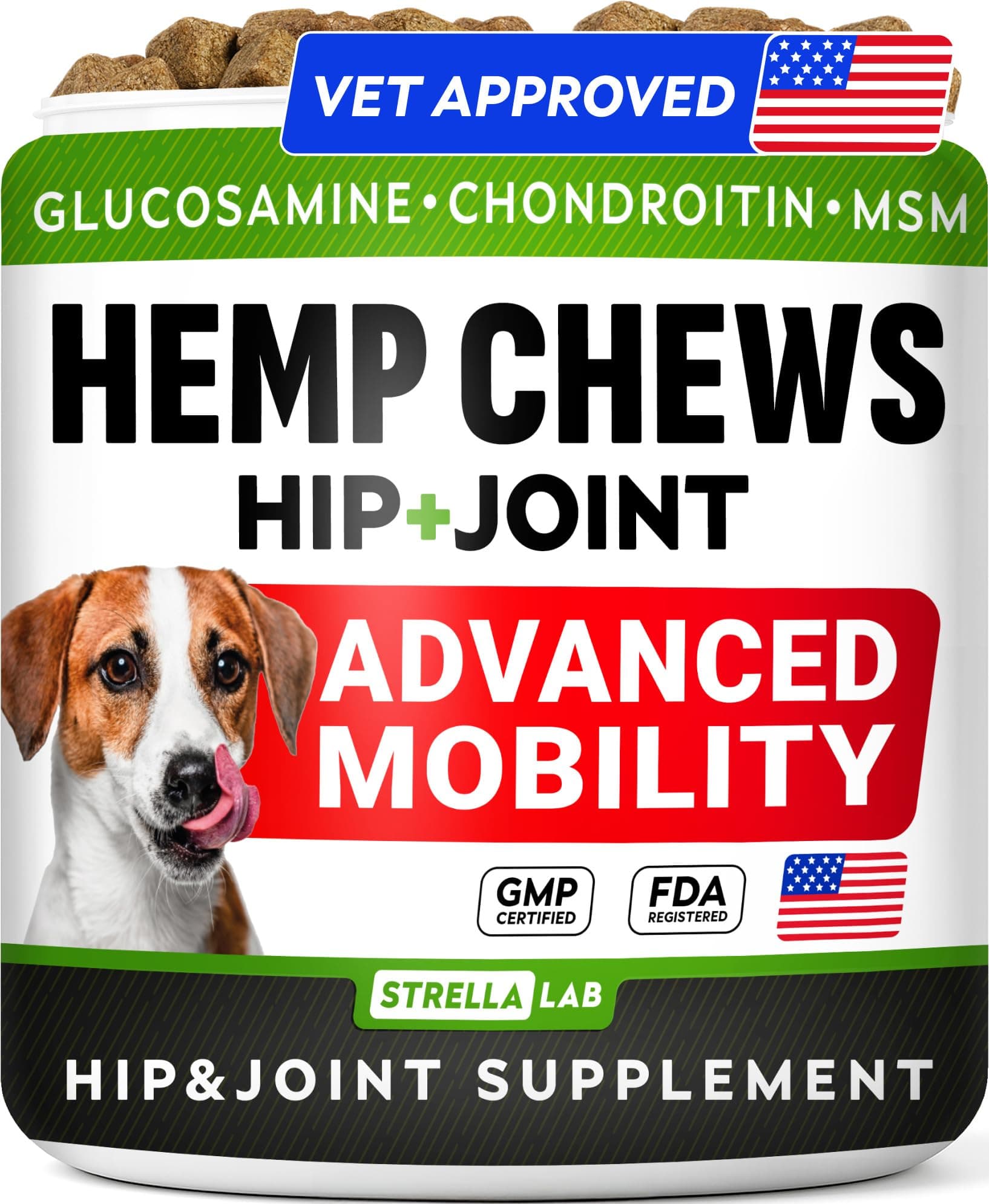
- Supplements: Omega-3 fatty acids, like those found in BARK&SPARK Advanced Omega-3 Collagen, support joint health and improve skin condition, while joint chews like STRELLALAB Hemp Chews can help ease pain and boost mobility.
- Physical Therapy: Techniques like hydrotherapy or acupuncture can be beneficial for maintaining mobility and comfort.
- Regular Monitoring: Blood tests and regular check-ups can help manage conditions like hypothyroidism or diabetes effectively. Always follow your vet’s guidance for the best outcomes.
Preventing Senior Dog Health in Siberian Huskys
While aging is inevitable, there are proactive steps you can take to help your Siberian Husky age gracefully:
- Regular Vet Visits: Make sure to schedule regular check-ups for early detection of health issues. Your vet can also recommend vaccinations and preventative care.
- Balanced Diet: Feed your Husky a high-quality, age-appropriate diet that meets their nutritional needs. Look for foods rich in omega fatty acids to support skin and joint health.
- Exercise: Maintain regular, moderate exercise to keep your Husky active and prevent obesity. Adjust activity levels according to their comfort and mobility.
- Skin Care: Regular grooming helps manage shedding and skin conditions. During seasonal shedding, consider products like BARK&SPARK Omega-3 to support skin health.
- Home Modifications: Provide ramps or stairs to help your senior Husky navigate furniture easily. Products like Love's Cabin Dog Stairs can assist in reducing strain on their joints.
- Mental Stimulation: Engage your Husky with puzzle toys or training sessions to keep their mind sharp. Keeping their cognitive function intact is just as important as physical health.
Helpful Products for Senior Siberian Huskys


In Summary
Caring for a senior Siberian Husky requires awareness, understanding, and proactive measures. Keep a close eye on their health, recognize the signs of aging, and consult your vet regularly to ensure your furry friend remains happy and healthy. With the right care and attention, your Husky can continue to be a loving companion well into their golden years. Remember, early intervention and consistent monitoring can make all the difference in your dog’s quality of life.