
Fleas & Ticks in English Springer Spaniels: A Complete Owner's Guide
As an English Springer Spaniel owner, you cherish your dog's boundless energy and affectionate nature. But did you know that these beloved companions are particularly vulnerable to fleas and ticks? These pests can not only cause discomfort but also lead to serious health issues if left untreated. Understanding how to recognize and combat these nuisances is essential for your Springer’s health. In this guide, we will explore the signs of fleas and ticks, the specific vulnerabilities of your breed, and effective prevention strategies to keep your furry friend happy and healthy.
What is Fleas & Ticks?
Fleas and ticks are external parasites that can infest dogs, causing discomfort and potential health issues. Fleas are small, jumping insects that feed on the blood of their hosts, often leaving itchy bites and resulting in skin irritation. They reproduce rapidly, which can lead to an infestation in a short period. Ticks, on the other hand, are arachnids that attach themselves to a host's skin to feed on blood. They can transmit serious diseases such as Lyme disease and Rocky Mountain spotted fever. Both fleas and ticks thrive in warm, humid environments and can be found in grassy or wooded areas, making outdoor activities a potential risk for your English Springer Spaniel.
Warning Signs to Watch For in Your English Springer Spaniel
Being vigilant about your dog's health is crucial, especially when it comes to fleas and ticks. Common signs of flea infestation include excessive scratching, biting at the skin, hair loss, and red or irritated skin. You may also notice flea dirt—small black specks that resemble pepper—on your dog’s coat or bedding. Ticks can be more challenging to spot, as they often attach to hidden areas like the ears, armpits, or between the toes. Look for unusual bumps or lumps on your dog’s skin. If you see your dog exhibiting sudden changes in behavior, such as increased aggression or lethargy, these could also be signs of discomfort due to these pests.
Why English Springer Spaniels Are Particularly Affected
English Springer Spaniels are particularly affected by fleas and ticks for several reasons. Their energetic nature often leads them to explore grassy and wooded areas, increasing exposure to these parasites. Additionally, the breed's dense coat can provide a perfect habitat for fleas to hide and reproduce. English Springers are also prone to ear infections, which can be exacerbated by flea infestations, as fleas can cause allergic reactions leading to skin irritation and inflammation. Moreover, the breed's susceptibility to certain health conditions like hip dysplasia may make them less active, which can impact their grooming habits and allow fleas and ticks to go unnoticed longer.
How Serious Is It? When to See the Vet
While a few fleas or ticks may seem like a minor issue, they can quickly escalate into serious health concerns. Fleas can lead to flea allergy dermatitis, a painful skin condition that requires veterinary treatment. Ticks can transmit life-threatening diseases, making early detection crucial. If you notice excessive scratching, hair loss, or signs of infection, consult your veterinarian promptly. Additionally, if you find a tick attached to your dog, remove it immediately and monitor for symptoms like fever, lethargy, or changes in appetite. These could indicate tick-borne diseases that require veterinary intervention.
Treatment Options & What Your Vet Might Recommend
If your English Springer Spaniel is diagnosed with a flea or tick infestation, your veterinarian will likely recommend several treatment options. For fleas, topical insecticides, oral medications, or flea collars may be prescribed to eliminate the pests. In cases of severe infestation or allergic reactions, corticosteroids or antihistamines may be necessary to relieve itching. For tick removal, your vet will demonstrate the safest techniques to ensure the entire tick is removed. They may also recommend blood tests to check for tick-borne diseases. Always follow your vet's advice and complete the full course of treatment to ensure your dog is pest-free.
Preventing Fleas & Ticks in English Springer Spaniels
Prevention is key when it comes to fleas and ticks. Regular grooming is essential for English Springer Spaniels, as their long, dense coats can trap these pests. Use a fine-toothed comb to check for fleas and ticks, especially after outdoor activities. Consider using preventive treatments recommended by your veterinarian, such as topical solutions or oral medications. Additionally, keep your home and yard clean by vacuuming frequently and maintaining your lawn. Limit your dog’s exposure to tall grasses or wooded areas during peak tick season, and consider using natural repellents that are safe for pets. These proactive measures can significantly reduce the risk of infestations.
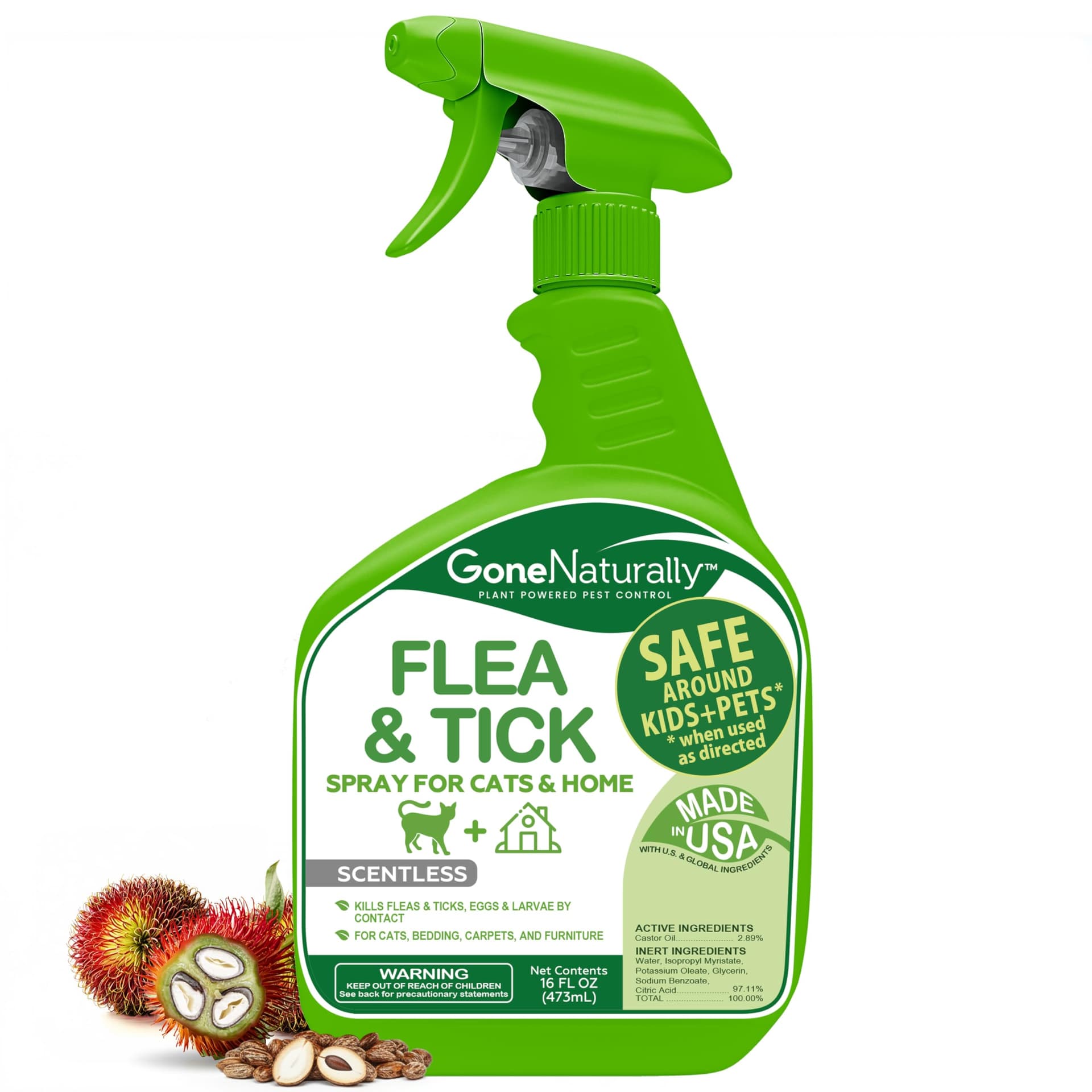
Helpful Products for Flea and Tick Management


In Summary
Fleas and ticks pose significant risks to your English Springer Spaniel, but with the right knowledge and tools, you can keep your furry friend safe and comfortable. Regular grooming, preventive treatments, and prompt veterinary care can make a world of difference in managing these pests. Remember, your vigilant attention is the best defense against infestations. With love and care, you can ensure your Springer remains healthy and happy.