
Fleas & Ticks in Chesapeake Bay Retrievers: A Complete Owner's Guide
As a proud owner of a Chesapeake Bay Retriever, you know how much they love to explore the great outdoors, but this also means they're more prone to picking up pesky fleas and ticks. Understanding how to recognize and treat these common parasites is crucial for your pup's health. Fleas and ticks not only cause discomfort but can also lead to serious health issues if left unchecked. In this guide, we’ll cover everything you need to know to keep your Chesapeake safe and pest-free.
What are Fleas & Ticks?
Fleas and ticks are external parasites that can attach themselves to your Chesapeake Bay Retriever, feeding on their blood. Fleas are small, wingless insects that thrive in warm and humid environments. They reproduce quickly, laying hundreds of eggs that can infest your home. Ticks, on the other hand, are arachnids that cling to your dog's skin to feed. They can transmit a variety of diseases, including Lyme disease, which can have serious health implications. Both parasites can cause significant discomfort for your dog, leading to itching, irritation, and potential allergic reactions.
Warning Signs to Watch For in Your Chesapeake Bay Retriever
Monitoring your Chesapeake for signs of fleas and ticks is essential. Common symptoms include excessive scratching, biting, or licking of the skin, which may indicate irritation or discomfort. You might also notice flea dirt (tiny black specks) in their fur, or find fleas themselves during grooming. Ticks can be harder to spot, but check your dog's ears, armpits, and between their toes for any unusual lumps or bumps. If your dog seems lethargic, has a decreased appetite, or shows signs of pain, it’s crucial to consult your veterinarian.
Why Chesapeake Bay Retrievers Are Particularly Affected
Chesapeake Bay Retrievers are known for their adventurous spirit and love for water and outdoor activities. This means they are often exposed to environments where fleas and ticks thrive, such as wooded areas and tall grasses. Additionally, the breed's dense, waterproof coat can provide a perfect hiding space for ticks, making regular checks necessary. While their robust health generally serves them well, issues such as hip and elbow dysplasia can complicate mobility when dealing with the discomfort caused by these parasites, emphasizing the need for effective prevention and treatment.
How Serious Is It? When to See the Vet
Fleas and ticks can lead to severe health issues if not addressed promptly. Fleas can cause anemia, especially in puppies or older dogs, and can trigger allergic reactions. Ticks can transmit diseases that may affect your Chesapeake's overall health. If you notice any of the following red flags, seek veterinary attention immediately: persistent scratching or biting that doesn't improve, signs of infection (redness, swelling, or discharge), lethargy, loss of appetite, or unusual behavior. Early intervention is key to preventing serious complications.
Treatment Options & What Your Vet Might Recommend
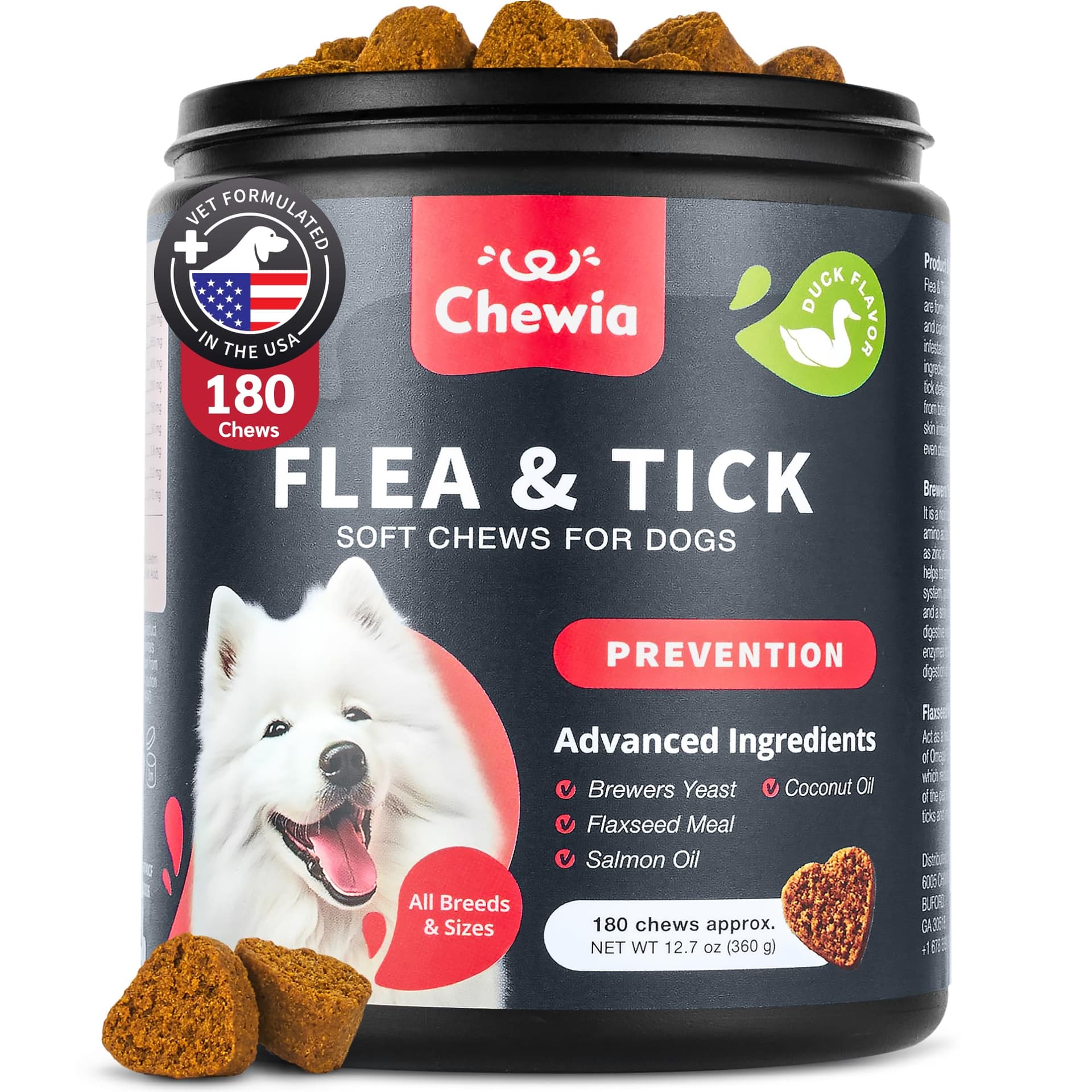
If your Chesapeake Bay Retriever has fleas or ticks, your veterinarian may recommend several treatment options. Topical treatments, oral medications, and shampoos specifically designed to kill fleas and ticks are common. Additionally, flea and tick chews may provide a convenient and effective way to keep these pests at bay. Your vet will take into account your dog’s age, health status, and any allergies when recommending the best treatment plan. Always follow your vet's guidance to ensure safe and effective care.
Preventing Fleas & Ticks in Chesapeake Bay Retrievers
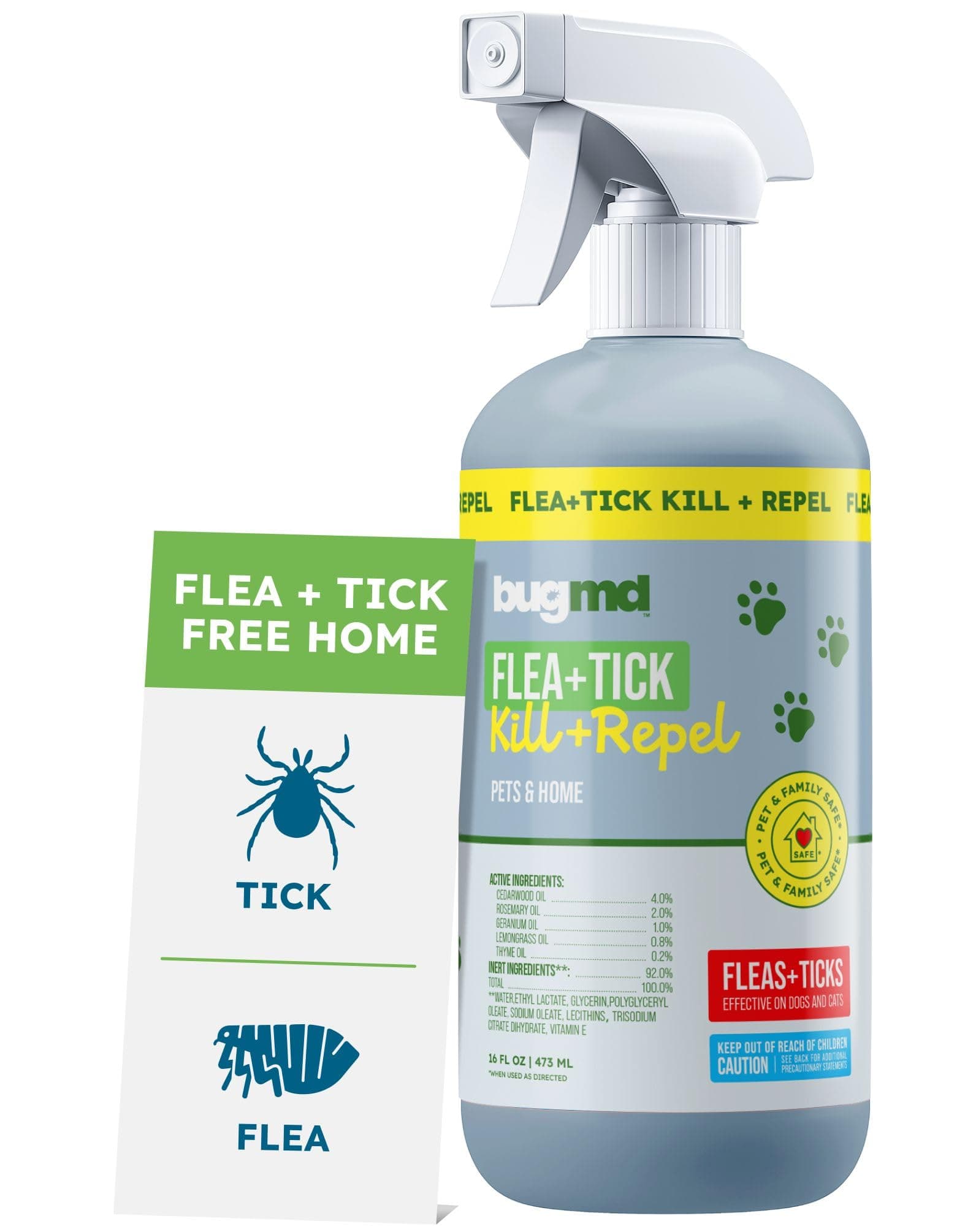
Prevention is the best strategy for keeping fleas and ticks away from your Chesapeake. Regular grooming and bathing help to spot and remove any pests before they become a problem. Consider using preventive products like topical treatments, collars, or chewables specifically designed for flea and tick control. Ensure your yard is well-maintained, keeping grass trimmed and removing debris where these parasites may thrive. Regular veterinary check-ups will also help catch any potential issues early on.
Recommended Products for Flea and Tick Control

In Summary
Keeping your Chesapeake Bay Retriever free from fleas and ticks requires vigilance and proactive care. By understanding the signs, implementing effective treatments, and practicing prevention, you can ensure your loyal companion stays healthy and happy. Remember, early detection makes a significant difference, so never hesitate to consult your veterinarian if you have any concerns.