
Dental Disease in Shih Tzus: A Complete Owner's Guide
As a Shih Tzu owner, you may have noticed that your fluffy companion has a unique set of health needs, particularly concerning their oral health. Dental disease is one of the most common issues faced by this adorable breed, and it can lead to serious complications if left unaddressed. With their small jaws and crowded teeth, Shih Tzus are particularly susceptible to plaque buildup and gum disease. Understanding dental disease is essential for ensuring your dog's overall health and happiness. In this guide, we'll explore what dental disease is, how to spot it, and the best ways to care for your Shih Tzu's teeth.
What is Dental Disease?
Dental disease, also known as periodontal disease, is an inflammatory condition affecting the tissues surrounding the teeth. It begins with the accumulation of plaque—a sticky film of bacteria that forms on the teeth. If not removed through regular brushing or dental care, plaque hardens into tartar, leading to gum inflammation (gingivitis) and, eventually, more severe forms of periodontal disease. This condition can result in tooth loss and even systemic health issues as bacteria enter the bloodstream. In Shih Tzus, dental disease is particularly concerning due to their dental crowding, making it easier for plaque and tartar to accumulate in hard-to-reach areas. Regular dental care is crucial to combat this common issue.
Warning Signs to Watch For in Your Shih Tzu
As a loving Shih Tzu owner, being attentive to your dog's oral health is vital. Look for the following warning signs of dental disease: bad breath (halitosis), which is often the first indication; red or swollen gums; visible tartar buildup on the teeth; difficulty eating or chewing; excessive drooling; and pawing at the mouth. Additionally, you might notice behavioral changes, such as increased irritability or reluctance to play. These symptoms can indicate pain or discomfort, so it's important to observe your Shih Tzu closely and consult your veterinarian if you notice any signs of dental distress.
Why Shih Tzus Are Particularly Affected
Shih Tzus are brachycephalic dogs, meaning they have short noses and flat faces, which can lead to dental crowding. Their small jaws often do not provide enough space for all their teeth, increasing the likelihood of misalignment and plaque accumulation. Additionally, the breed's unique dental structure makes it harder for owners to effectively brush their teeth, leading to higher rates of dental disease. Regular dental check-ups and cleanings are especially essential for Shih Tzus to prevent these issues from escalating. Understanding these breed-specific vulnerabilities helps owners take proactive measures in maintaining their dog's oral health.
How Serious Is It? When to See the Vet
Dental disease can start as a mild irritation but can quickly escalate to a severe health crisis if not treated promptly. Signs that warrant an immediate veterinary visit include persistent bad breath, bleeding gums, loose teeth, or any signs of pain (such as reluctance to eat or play). If your Shih Tzu exhibits these symptoms, it's crucial to seek veterinary care as soon as possible. Your vet will likely perform a dental examination and may recommend professional cleaning or further evaluation, especially if systemic issues are suspected. Early intervention can prevent more serious complications and ensure your furry friend remains healthy.
Treatment Options & What Your Vet Might Recommend
If your Shih Tzu is diagnosed with dental disease, your veterinarian will develop a tailored treatment plan based on the severity of the condition. Initial steps may include a professional dental cleaning, which removes plaque and tartar buildup, and addressing any infections with antibiotics. In more severe cases, extractions may be necessary for damaged teeth. Your vet may also recommend at-home dental care options, such as specialized dental chews or rinses. Consistent follow-up appointments will be essential to monitor your dog's oral health and make necessary adjustments to their care plan.
Preventing Dental Disease in Shih Tzus
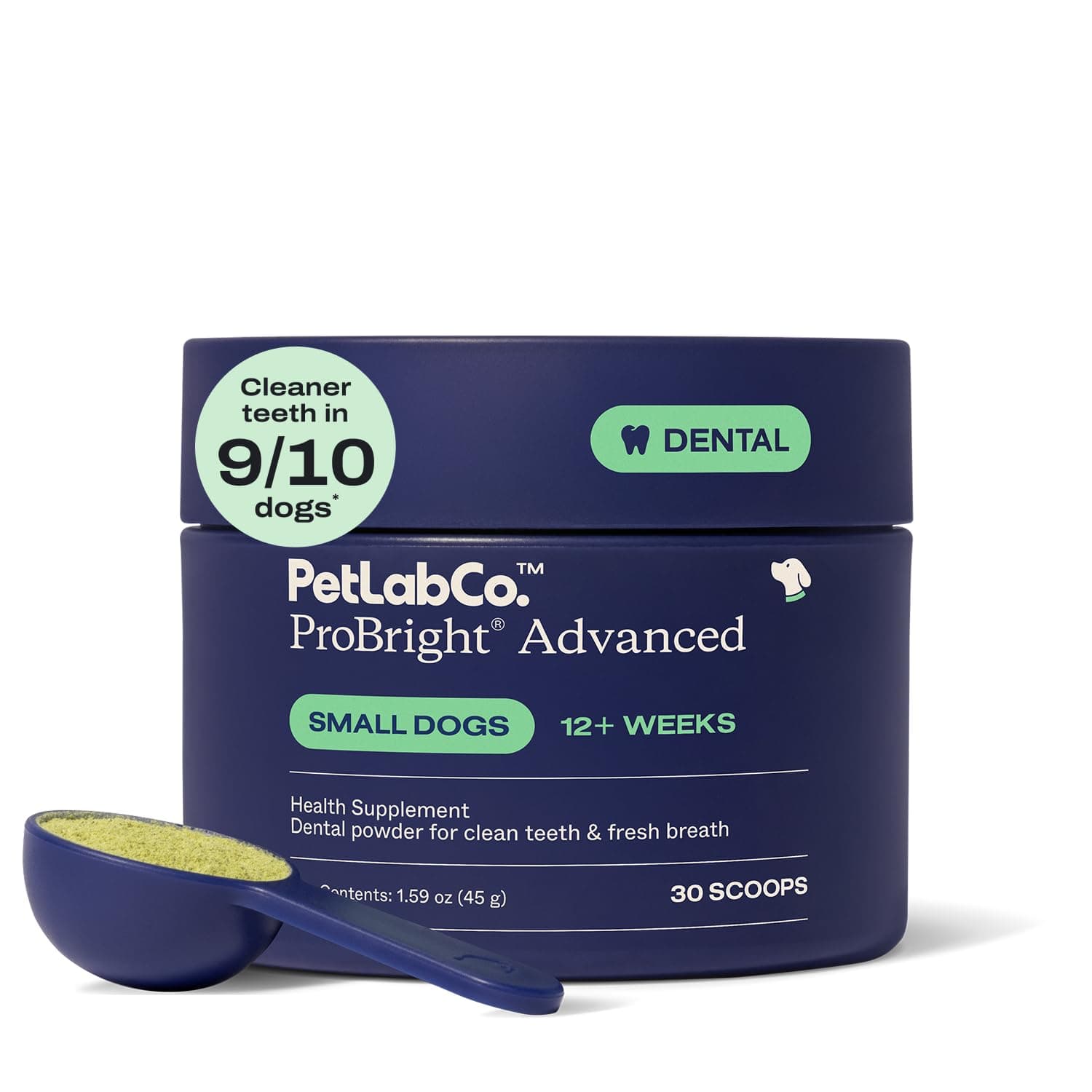
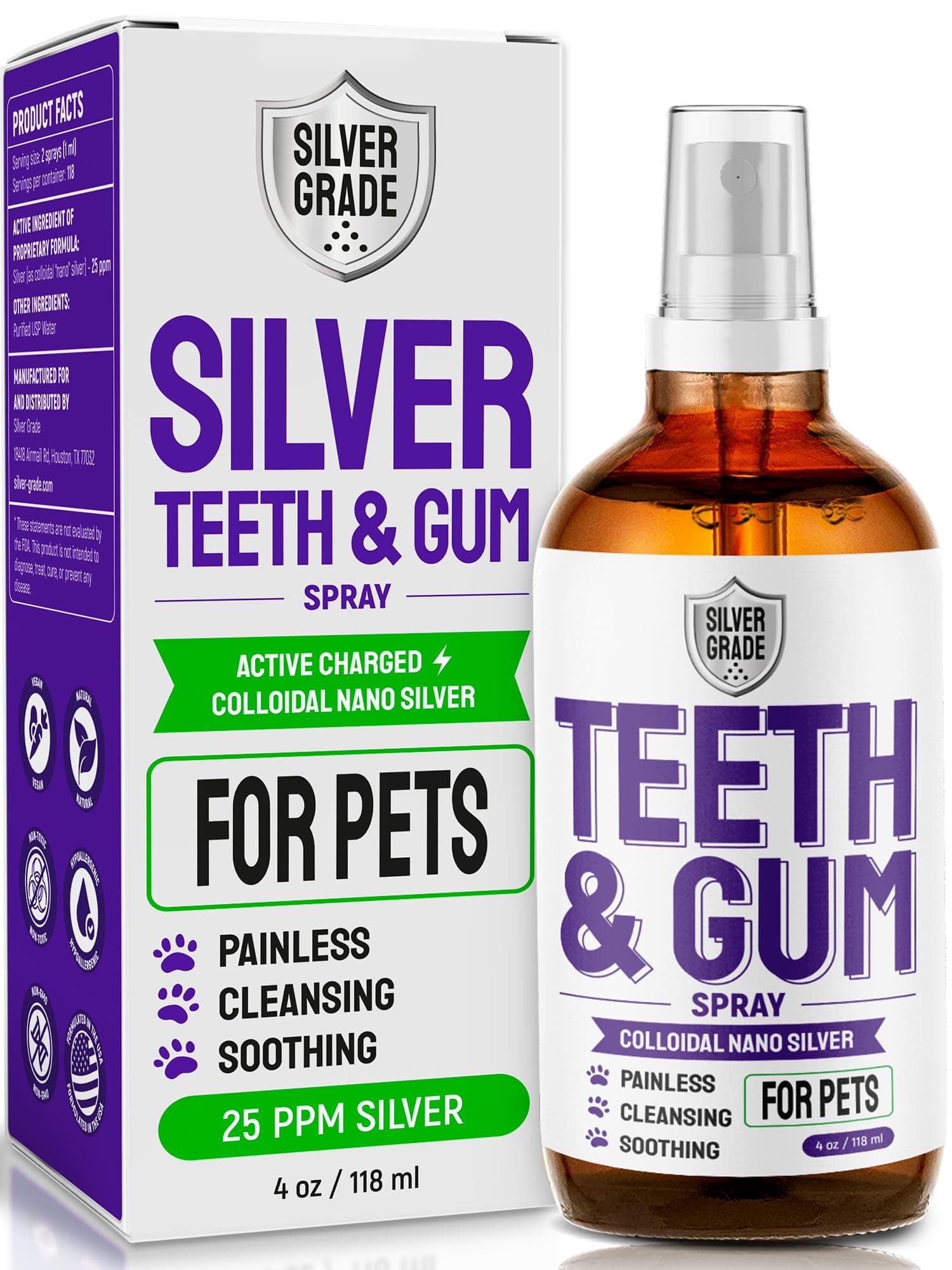
Prevention is key when it comes to dental disease in Shih Tzus. Establish a regular dental care routine that includes daily brushing with a dog-specific toothpaste. If your Shih Tzu is resistant to brushing, consider using dental wipes or sprays as alternatives. Regular dental check-ups with your veterinarian are also crucial for professional cleaning and early detection of potential issues. Additionally, providing dental chews can help reduce plaque buildup. Keep an eye on your dog’s diet; a balanced diet rich in nutrients promotes oral health. By taking proactive steps, you can help ensure your Shih Tzu maintains a healthy smile.
Helpful Dental Care Products for Your Shih Tzu

In Summary
Taking proactive steps in maintaining your Shih Tzu's oral health is essential for their overall well-being. By recognizing the signs of dental disease, understanding the unique vulnerabilities of this breed, and implementing effective prevention strategies, you can help your furry friend enjoy a long, healthy life. Remember, early attention to dental issues makes a significant difference—so keep those smiles bright and healthy!